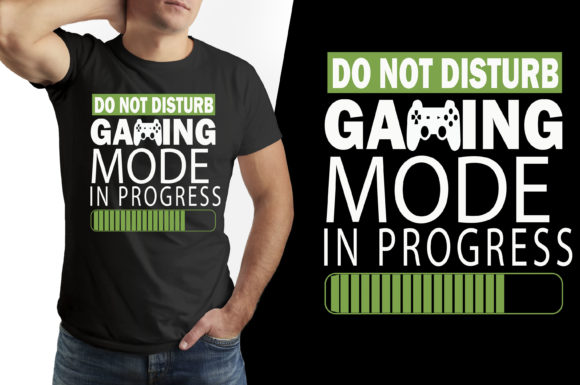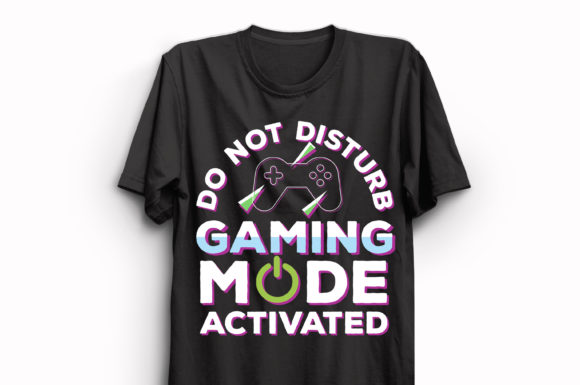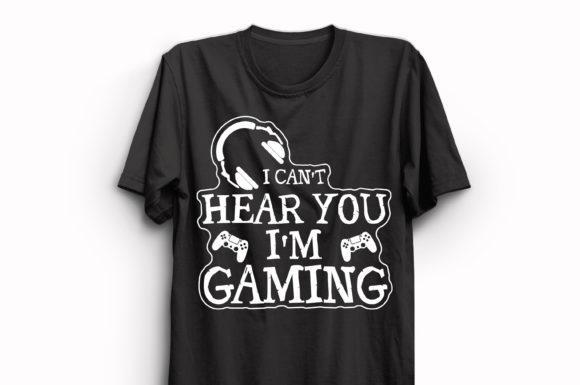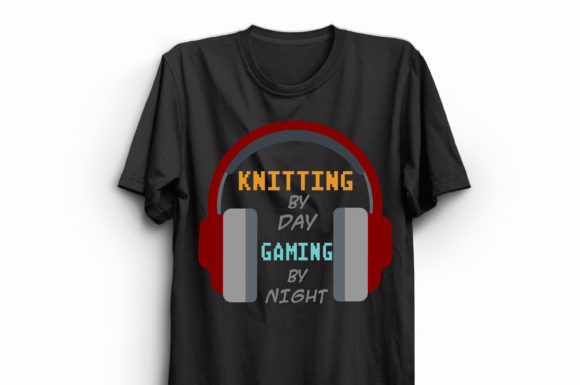
Reviewing Game Lover T-shirt Design 11 for Embroidery
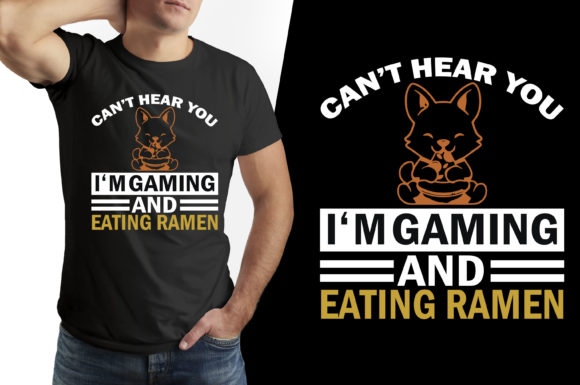
As a designer who spends half my life digitizing and the other half stitching, I have learned that not every Graphics asset translates well to thread. We often browse Print Templates looking for quick wins, but the jump from screen to fabric requires a critical eye. Recently, I evaluated Game Lover T-shirt Design 11, specifically the "Can’t Hear You I’m Gaming And Eating Ramen" concept, to see if it holds up in a real-world embroidery environment. This is not just about aesthetics; it is about stitchability, durability, and commercial viability.
First Impressions and Visual Personality
The initial mood of Game Lover T-shirt Design 11 is playful and relatable. It taps into a specific subculture niche that blends gaming enthusiasm with comfort food culture. Visually, the layout suggests a casual, humorous tone. For an embroidery project, this is promising because humor sells. However, the complexity of ramen bowls and gaming controllers can be tricky. My first concern was always the level of detail. In sublimation printing, fine lines are easy. In machine embroidery, fine lines can turn into a tangled mess if the stitch density is not managed correctly.
The design feels like it belongs on casual wear. It does not scream high-end luxury, but it shouts personality. This makes it ideal for custom apparel aimed at teens and young adults. When I look at the shapes, I imagine how they would translate into satin stitch borders and fill stitch backgrounds. The text component is the most critical element here. If the lettering is too small or the font too thin, it will not survive the washing machine.
Real-World Application: The Sweatshirt Test
To test the practicality of Game Lover T-shirt Design 11, I imagined applying it to a mid-weight cotton blend sweatshirt. This is a common request for Etsy seller clients during the holiday season. The texture of the sweatshirt provides a stable base, which is crucial for designs with multiple color changes. The contrast between the bright colors typically associated with gaming and the neutral fabric would make the design pop.
However, I had to consider the hoop size. A standard 5x7 hoop might be tight if the design includes extensive decorative elements around the text. If the design is wide, it might require a larger hoop or a split-digitization approach, which increases production time. For a small shop product, efficiency is key. If I am producing fifty units for a craft fair, I need a design that stitches out cleanly without constant trimming or re-hooping.
I also considered using this as an embroidered patch. Patches are trending, and this design’s self-contained nature fits well within a merrowed edge. A patch allows the customer to move the design between jackets, bags, and hats, increasing the perceived value of the handmade product. It also solves the issue of embroidering directly onto difficult fabrics like waterproof jackets or thin synthetics.
Fabric and Stabilizer Considerations
Not all fabrics behave the same. If you are planning to use Game Lover T-shirt Design 11 on a tote bag design made of canvas, you will need a heavy cut-away stabilizer to prevent puckering. Canvas has a loose weave, and without proper support, the stitches can pull the fabric out of shape. Conversely, if you are attempting this on a stretchy baby onesie for baby embroidery, you must use a soft tear-away or cut-away stabilizer that does not irritate sensitive skin.
Dark fabrics present another challenge. If the design relies on light thread colors against a black shirt, you may need an underlay stitch or a backing layer to ensure opacity. Without this, the fabric color can show through the stitches, making the design look muddy. Always test your thread colors on scrap fabric before committing to the final finished product.
Commercial Viability and Brand Consistency
For commercial embroidery projects, consistency is everything. Customers buy from you because they trust your quality. If Game Lover T-shirt Design 11 has inconsistent stitch paths or loose threads, it reflects poorly on your brand. I recommend running a test stitch on similar fabric to check for jumps and trims. Clean finishes build customer trust and encourage repeat business.
This design works well for personalized gift markets. Adding a name below the main graphic can increase the price point significantly. However, ensure that any added text is large enough to be legible. Tiny lettering is the enemy of embroidery machines. If the original file is a vector format like AI, EPS, or SVG, you have the flexibility to adjust sizes, but you must re-digitize or carefully scale to maintain stitch integrity.
Practical Designer Notes
Before you list this as a digital embroidery file or use it in client work, keep these points in mind:
- Check the Source Files: The product description mentions AI, EPS, SVG, and PNG formats. These are primarily print and vector formats. If you are doing machine embroidery, you need a dedicated embroidery file format (like DST, PES, or JEF). If the seller does not provide these, you will need to digitize the vector files yourself. Do not assume a PNG is ready for stitching.
- Test Stitch Density: High-density areas can cause fabric distortion. Use your machine’s preview function to check for excessive overlapping stitches.
- Contrast is Key: View the design in black and white. If the details disappear, the contrast is too low for embroidery. Adjust thread choices accordingly.
- Licensing Verification: Confirm whether the license allows for commercial use of finished items. Some design assets are for personal use only. Selling items made from unlicensed designs can lead to legal issues.
- Hoop Selection: Measure the design dimensions against your available hoops. Ensure there is enough margin for clamping without stitching over the hoop edges.
Final Verdict on Game Lover T-shirt Design 11
Game Lover T-shirt Design 11 has strong potential for the right application. It is not a universal design; it will not work on formal wear or minimalist home decor. But for holiday embroidery gifts, gamer-themed parties, or casual streetwear, it hits the mark. The key is respecting the limitations of the medium. Embroidery adds texture and weight, which changes how a design is perceived compared to flat printing.
If you are an craft business owner, this design can diversify your small shop product lineup. It appeals to a passionate niche audience. Just remember to prioritize stitch quality over speed. A well-executed sweatshirt embroidery piece will last for years, becoming a favorite item in the customer’s wardrobe. That longevity is what turns a one-time buyer into a loyal fan. Take the time to digitize or select the right file, choose your stabilizer wisely, and let the thread do the talking.