Reviewing Work Less Play More for Embroidery
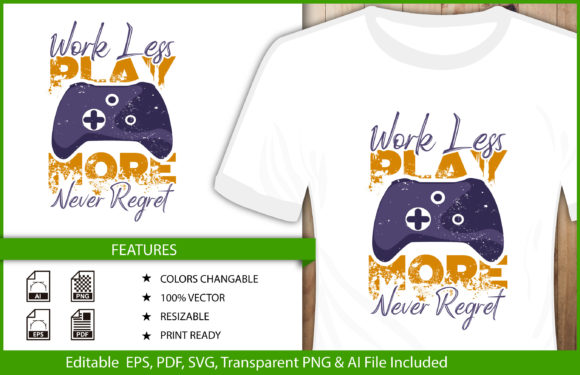
When I first pulled up the T-shirt Design Work Less Play More file on my screen, my immediate reaction was one of cautious optimism. As a designer who has spent years translating digital vectors into thread, I know that what looks crisp on a monitor does not always translate cleanly to fabric. This specific design, centered around the "Game Is Life" typography and the bold statement to work less and play more, carries a vibrant, energetic mood. It speaks directly to gamers, casual creatives, and anyone who values leisure over the grind. But the real question for us embroidery professionals is not just whether it looks cool, but whether it stitches out with the clarity and durability required for a high-quality finished product.
First Impressions and Visual Personality
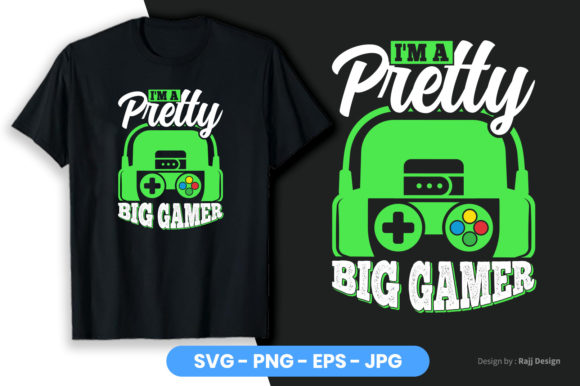
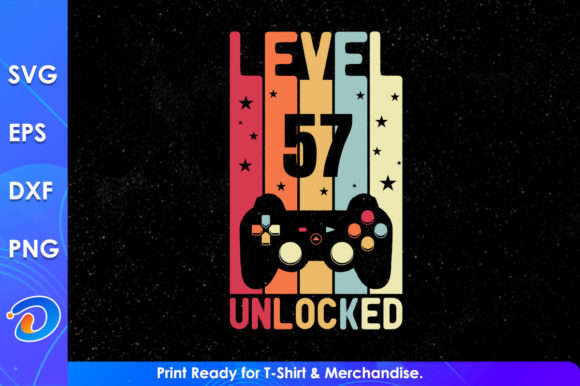
The layout of this graphic is inherently bold. The typography is the hero here, relying on strong lines and likely colorful fills to make its statement. In the context of T-Shirt Designs and general Graphics, this kind of vector illustration is designed to pop. For an embroidery project, this means we are dealing with significant visual weight. The design does not whisper; it shouts. This makes it an excellent candidate for items where you want instant recognition, such as a statement sweatshirt or a custom tote bag.
However, the "colorful design" aspect mentioned in the product description raises immediate questions about thread management. While the digital file may feature a spectrum of hues, executing this as a machine embroidery design requires strategic color blocking. If the original vector relies on subtle gradients, we must be prepared to simplify these into solid thread colors to maintain stitching efficiency and reduce thread breaks.
Real-World Application: The Custom Sweatshirt Scenario
To truly evaluate this design, I imagined a recent client request: a batch of custom hoodies for a local gaming café. They wanted something fun, durable, and visually striking. The T-shirt Design Work Less Play More fit the brief perfectly in terms of theme. I visualized placing the design on the chest of a heavyweight cotton blend sweatshirt. The texture of the fleece would provide a sturdy base for the fill stitch areas, ensuring the letters didn't sink into the fabric.
In this scenario, the "Play More" element would likely benefit from a satin stitch border to define the edges against the textured background. The result would be a handmade product that feels premium and intentional. Customers reacting to this item would likely appreciate the humor and the quality of the stitch work, provided the density is managed correctly. It transforms a simple garment into a personalized gift or a piece of boutique merchandise that stands out in a crowded market.
Considerations for Different Fabrics and Hoops
While this design shines on stable fabrics like denim, canvas, or heavy cotton, it requires careful handling on other materials. If you are planning to use this as a tote bag design or on a structured embroidered patch, you are in safe territory. These materials can support the necessary stitch density without puckering.
However, caution is advised when applying this to stretchy fabrics or thin materials. A large, dense typographic design can cause distortion if not properly stabilized. For baby embroidery or lightweight t-shirts, you might need to scale the design down significantly or opt for a lighter fill pattern. Always check your hoop size constraints. If the design is wide, ensure your machine can handle the width without requiring complex re-hooping, which can lead to alignment issues.
Dark fabrics present another challenge. Since this is a colorful design, ensure you have high-contrast thread options. If the design includes light colors, test them on black or navy fabric to ensure visibility. Sometimes, adding a white underlay or using a lighter stabilizer can help bright colors pop against dark backgrounds.
Enhancing Brand Value and Customer Trust
For Etsy sellers and small shop owners, the quality of your embroidery directly impacts buyer engagement and trust. A well-executed version of T-shirt Design Work Less Play More signals professionalism. It shows that you understand how to handle complex typography and color transitions. This attention to detail enhances brand consistency and makes your small shop product more desirable.
When used in commercial embroidery projects, such as corporate gifts for tech companies or merchandise for gaming events, this design adds a layer of personality. It moves beyond generic branding into the realm of lifestyle expression. This emotional connection can drive higher sales and customer loyalty. Whether it is a holiday embroidery gift for a gamer friend or a staple item in your online store, the perceived value increases when the stitching is clean and the design is relevant.
Practical Designer Notes for Execution
Before you commit to stitching this design on a final product, follow these practical steps to ensure success:
- Test on Scrap Fabric: Always run a test stitch on the same type of fabric you plan to use for the final item. This helps you identify any tension issues or puckering early.
- Check Stitch Density: Review the embroidery file settings. If the density is too high for your fabric, consider reducing it or using a cutaway stabilizer for extra support.
- Verify Color Contrast: Create a black and white mockup of the design to ensure the shapes remain distinct even without color. This helps in planning thread changes.
- Inspect Small Details: Look closely at the corners of the letters. Sharp corners in vectors can become bulky in embroidery. You may need to adjust pull compensation or add tie-offs to prevent unraveling.
- Confirm Licensing: Since this is a digital asset, ensure you have the correct license for commercial use if you plan to sell finished items. Check the provider's terms regarding design assets and redistribution.
- Use Proper Stabilizer: Match your stabilizer to your fabric. Heavyweight cutaway is often best for garments that will be washed frequently, while tearaway might suffice for stable home decor items like pillow covers.
It is also worth noting that while the product description mentions it is a "Print-ready t-shirt for POD," converting this for embroidery requires a different mindset. Print allows for infinite color gradients and fine details that embroidery cannot replicate. Therefore, treat this as a starting point. You may need to simplify certain elements or adjust the satin stitch widths to suit the limitations of the needle and thread.
Final Verdict on Usability
The T-shirt Design Work Less Play More is a strong contender for makers looking to add a playful, modern touch to their repertoire. It works exceptionally well for custom apparel aimed at younger demographics or hobbyists. Its bold nature makes it forgiving of minor imperfections, as the eye is drawn to the overall message rather than tiny details. However, success depends on your ability to adapt the vector concept into a stitch-friendly format. By paying attention to fabric choice, stabilization, and thread contrast, you can turn this digital graphic into a tangible, high-quality finished product that resonates with customers. Whether you are creating a unique holiday gift or stocking your craft business inventory, this design offers versatility and charm, provided it is handled with the technical care it deserves.